Jets Coach Aaron Glenn's Clock Management Under Scrutiny Following Overtime Loss to Packers
A pivotal late-game decision by the New York Jets coach in Week 2 has drawn significant criticism regarding his use of timeouts.
Sports·
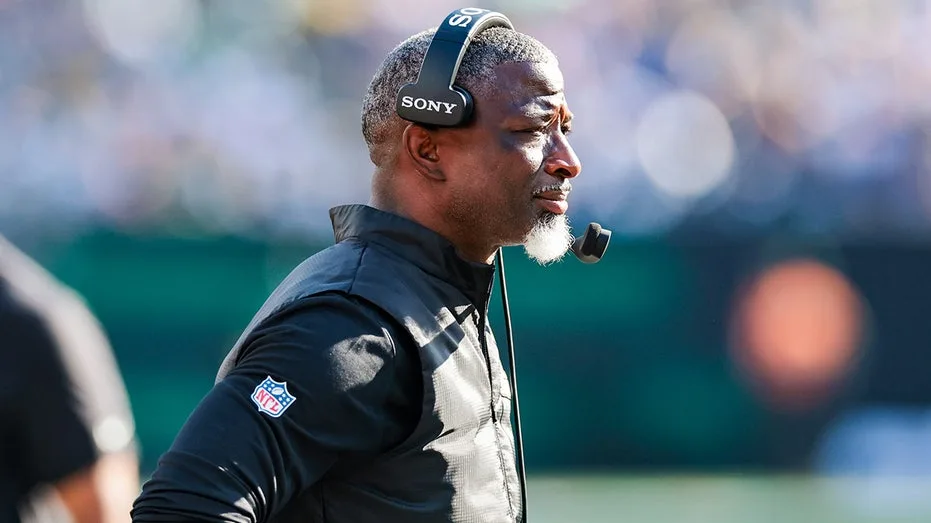
In professional football, a coach's strategic decisions, particularly concerning clock management, can often be as impactful as any play on the field. This was starkly evident in Week 2, when New York Jets coach Aaron Glenn's late-game choices came under intense scrutiny following his team's 20-17 overtime defeat to the Green Bay Packers.
Now in his second season making key decisions for the Jets, Glenn has displayed a pattern of inconsistent clock management. His actions on Sunday have prompted considerable questioning, as many believe the game might not have needed to extend into overtime at all.
A Critical Fourth-Quarter Decision
During the fourth quarter of the contest, the Packers held possession, and the Jets defense successfully limited them to a five-yard gain on a third-and-ten play. This left the Packers facing a crucial fourth-down situation from midfield with approximately 50 seconds remaining on the game clock.
At this juncture, Coach Glenn had the option to immediately call a timeout. Such a move would have compelled the Packers to punt the ball, potentially granting his offense one final opportunity in regulation. With three or four plays, the Jets could have theoretically advanced into field goal range and secured a victory.
Despite possessing timeouts, Glenn opted not to use them, appearing to overlook the possibility entirely.
"I didn't," Glenn acknowledged after the game. "I didn't consider using that. I know exactly what you're talking about. No, I didn't think of using the timeout at that point at all."
Coach Glenn's Rationale
While the benefit of the doubt suggests Glenn's decisions are well-considered, an informed choice typically comes with clear reasoning. When pressed for his rationale behind not utilizing timeouts to give his offense a chance, Glenn responded with a degree of uncertainty.
"Man, I want to go back and really look at it, you know, to be honest with you," Glenn stated. "I think they were in a situation where they were trying a no-brainer, and they took the no-brainer, or they took the penalty on that."
Indeed, the Packers capitalized on Glenn's decision, opting for what they considered a "no-brainer." They allowed the play clock to expire, incurring a delay of game penalty. This resulted in a ten-second runoff, leaving only two seconds on the clock at the end of regulation. The Packers' subsequent attempt at a Hail Mary pass on fourth down was thwarted by a Jordan Love sack, bringing regulation to a close.
Had Glenn called a timeout immediately after the third-down play, the Jets could have had those crucial 50 seconds to force a Green Bay punt and provide their offense with a final chance. Glenn, however, offered a counter-argument.
"Yeah, and if they would have punted it, that would put us in a backed-up situation," he contended. "They could have punted the ball and put us in a backed-up situation right there. So that was the reason why."
This perspective suggests a strategy focused on minimizing risk rather than actively pursuing a potential win. Critics argue that by not forcing the issue, Glenn eliminated any possibility of a favorable outcome that might have arisen from a punt, such as a dropped snap, a blocked punt, or a dynamic return, even from a challenging field position. Instead, his decision ensured that the Jets offense would have no final opportunity to win the game in regulation.
Widespread Criticism Follows
Unsurprisingly, the New York media and the team's fanbase did not view Glenn's strategy with understanding or patience. A headline from a prominent New York publication emphatically declared, "This debacle falls on Aaron Glenn."
Fans also voiced their strong disapproval across social media platforms, with many expressing similar sentiments regarding the coach's approach:
- One commenter observed, "Playing not to lose."
- Another suggested, "AG should not be a head coach IMHO."
- A third pointed out the irreversible nature of the decision: "Banking TO that can't ever be recovered."
- Yet another fan emphasized the missed opportunity: "Even if they pin you, you still have the ball and a T.O. and a chance. Crazy."
These reactions collectively highlight the perception that Glenn's end-of-game decision was a significant miscalculation, ultimately impacting the Jets' chances of securing a victory in regulation.
Related Stories

Aaron Judge Expresses Confidence for Wild Card Series Return Despite Calf Injury
Yankees star Aaron Judge anticipates being ready for the AL Wild Card series, despite a recent calf strain and treatment. However, manager Aaron Boone indicates the team is preparing to play without him, creating
Sep 24
Soccer Star Harry Kane Eyes Unprecedented Dual Career in MLS and NFL
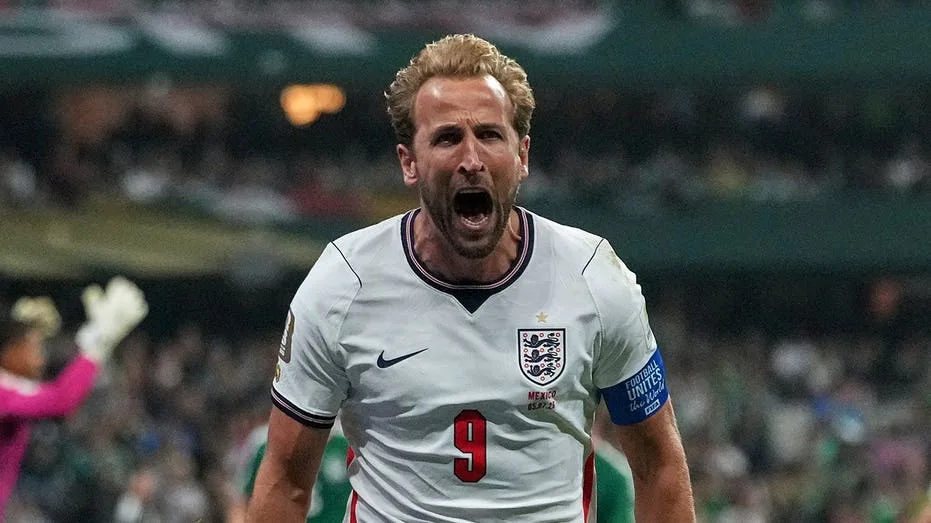
English football star Harry Kane is contemplating a groundbreaking dual career path, expressing a desire to play in Major League Soccer while also serving as an NFL placekicker. The Bayern Munich striker views the
Sep 24
Vladimir Guerrero Jr. Discusses $500M Contract Amidst Career-Low Performance
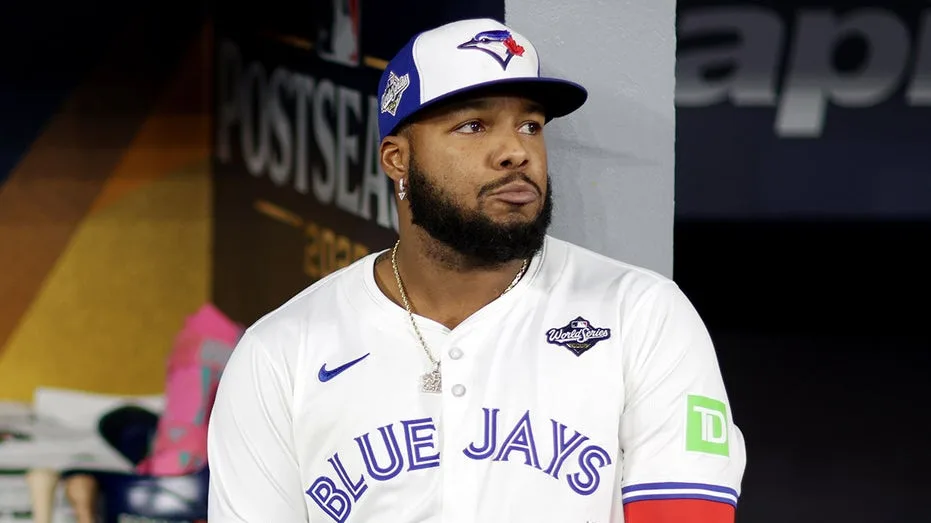
Amidst a challenging season and the Blue Jays' playoff elimination, Vladimir Guerrero Jr. defended his performance and a $500 million contract. He suggested the deal recognized past achievements, prompting discussion
Sep 24

Cardinals Coach Defends Marvin Harrison Jr. Amidst Scrutiny Over Effort and Production
Arizona Cardinals wide receiver Marvin Harrison Jr. faces scrutiny over his early season production and perceived on-field effort. Head coach Mike LaFleur defended the receiver, attributing concerns to a unique running
Sep 23