The Soaring Cost of Beef
Consumers are currently facing unprecedented prices for ground beef, which has reached a record average of $6.92 per pound. This represents an increase of nearly 60% compared to prices observed just five years prior.
For countless households, beef serves as a fundamental dietary staple, providing the primary source of protein rather than being reserved for upscale dining. It forms the core of many everyday meals, from backyard barbecues and taco nights to comforting meatloaf and slow-cooked roasts.
The issue isn't a decline in America's capacity for cattle ranching. Instead, policies and regulations have complicated the process, leading American families to bear the financial burden of a system that impedes domestic ranchers from fully supplying the nation's demand.
Navigating Regulatory Hurdles
In an effort to provide immediate relief, the Trump administration implemented a temporary order effective September 1. This measure expanded lower-tariff access for 300,000 metric tons of imported lean beef trimmings, aiming to increase market supply as domestic herds recover. However, this initiative met with significant disapproval among domestic ranchers. Producers contended that introducing cheaper foreign beef into the market would depress cattle prices, precisely when robust prices are essential to incentivize the rebuilding of American herds.
However, the fundamental inquiry extends beyond simply determining the volume of beef imports. The crucial question revolves around why it can be more economical to produce and process beef internationally, transport it thousands of miles to the United States, and sell it domestically, rather than cultivating it within the nation's own borders.
While acknowledging factors such as higher American wages and the globally recognized superior quality of American beef, for which consumers have demonstrated a willingness to pay a premium, these elements alone do not fully account for the pricing disparity.
The core of the issue lies in the bureaucratic framework: it is often simpler for foreign beef to traverse oceans and reach retail shelves in major American cities than for beef from a Nebraska rancher to cross into an adjacent state like Iowa. Even when a rancher processes cattle under a state inspection program that the USDA has certified as equivalent to federal standards, that meat often cannot be sold just a mile across a state boundary. This regulatory environment has inadvertently made international importation less complicated than interstate commerce for domestic producers.
Concentration in Meat Processing
Yet, this interstate sales restriction represents just one facet of the broader challenge confronting the American beef industry.
Consider the landscape of beef processing. A mere four companies, two of which are foreign-owned (specifically Brazilian), now dominate approximately 85% of America's beef processing capacity. This marks a significant increase from their 36% share in 1980. This market structure deviates sharply from a truly free market. Stringent regulations, burdensome permitting processes, and the substantial capital investment required to operate a federally compliant processing facility create barriers so formidable that only a select few large-scale operations can manage them. This effectively fosters what some describe as a government-enabled monopoly. Smaller processors find it nearly impossible to establish competing plants, allowing existing giants to maintain their dominance. Consequently, cattle producers selling finished livestock across vast regions of the country often find themselves with limited options, typically facing only one or two potential buyers. In such an environment, where competition for their product is scarce, producers lose their ability to negotiate prices and are often compelled to accept the terms offered.
Barriers to Direct Sales
A similar challenge arises when ranchers attempt to engage directly with local consumers interested in purchasing their beef. A customer wishing to buy, for example, a quarter of beef directly from a nearby rancher cannot simply complete the transaction. The animal must first be processed at an inspected facility. If the closest such facility is several hours away and has a booking waitlist extending for months, the direct sale becomes impractical or impossible. Thus, ranchers capable of selling directly to consumers at equitable prices, bypassing large, distant packers, are hindered not by insufficient demand but by the scarcity of accessible, legally sanctioned processing options within their vicinity.
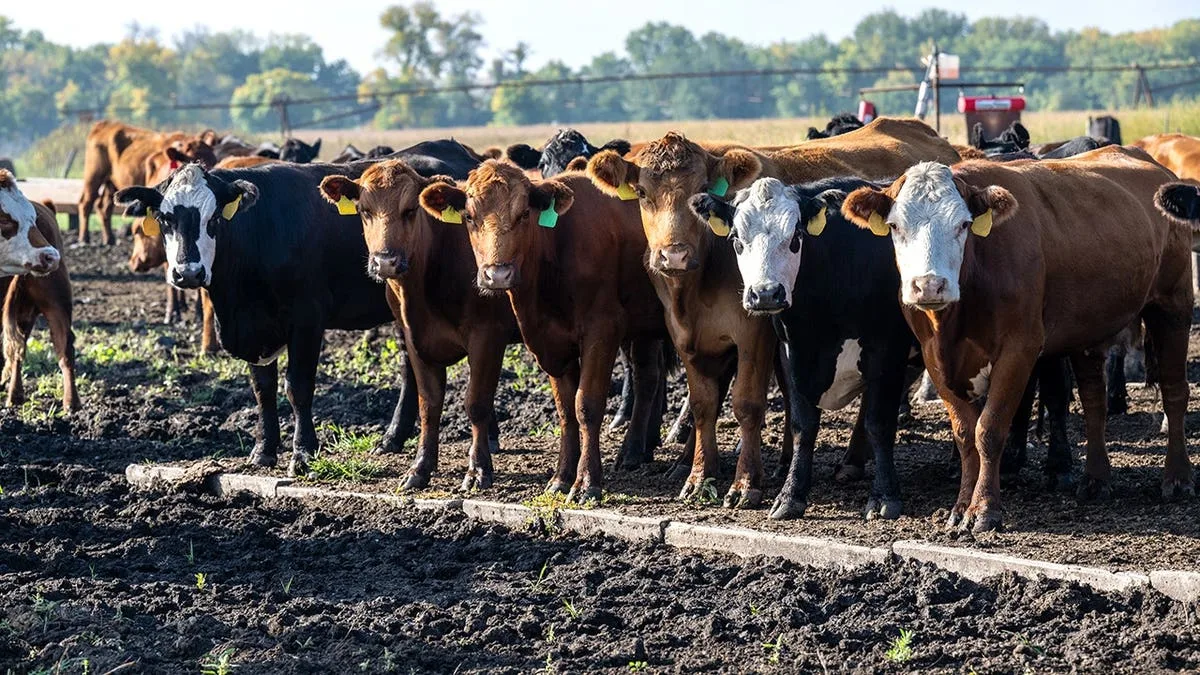
These systemic issues have contributed to a significant decline in the American cattle herd, which now stands at a 75-year low. Concurrently, U.S. beef production is decreasing, while Brazil has ascended to become the world's largest beef producer, surpassing the United States. Furthermore, the number of American ranchers is dwindling; between 2017 and 2022 alone, the count of U.S. farms raising beef cows decreased by almost 107,000.
Efforts to Revitalize the Industry
For American ranchers to regain competitive footing, the systemic barriers that currently disadvantage them must be dismantled. This objective is precisely what President Trump has sought to address.
On September 4, he issued two executive orders designed to bolster American ranching and foster greater competition within the beef market. These directives instruct federal agencies to undertake several actions: reduce existing regulatory obstacles, broaden the possibilities for state-inspected meat to be sold across state lines, provide assistance to smaller and regional processing facilities, update inspection procedures, and offer ranchers a wider array of choices for processing and marketing their beef.
Additionally, in a recent development, the Department of Agriculture (USDA) announced initiatives aimed at assisting states in establishing or expanding their meat-inspection programs. This move is intended to facilitate increased competition among local processors and provide ranchers with enhanced avenues for bringing their beef products to market.
These comprehensive reforms directly target the underlying issues by working to expand processing capacity, diversify sales channels for ranchers, and eliminate the bureaucratic hurdles that currently separate American beef producers from American consumers.
A Broader Pattern of Bureaucracy
This pattern of regulatory impact extends beyond the beef sector. For instance, federal timber harvests have declined by approximately 75% from their average levels between 1960 and 1990, despite national forests possessing abundant standing timber resources.
Similarly, obtaining permits for a new mine in the United States now typically requires an average of seven to ten years, a stark contrast to the two to three years usually needed in Canada.
Such extensive bureaucratic processes often stifle American industries to the point where it becomes more economically viable to import finished products from other countries.
The capacity to rebuild domestic herds and reassert the nation's position as a leading global beef producer will remain constrained under a system predominantly governed by bureaucratic dictates rather than the expertise of ranchers. Decades of regulatory accumulation have placed one of America's most enduring industries at a fundamental disadvantage. What ranchers require is not financial assistance.
Instead, they need the operational freedom to effectively carry out their essential role: providing food for America. This is the objective that the Trump administration has sought to achieve.