A district court located near the Louisiana State University campus became a focal point for collegiate athletics as the National Collegiate Athletic Association (NCAA) and the Southeastern Conference (SEC) presented their arguments concerning the eligibility of athletes with professional sports backgrounds who wish to return to college competition.
Reporters gathered extensively as Louisiana Attorney General Liz Murrill arrived, commencing her brief media interaction with a spirited "Go Tigers," setting the tone for a dramatic day within the 19th District Court.
Central to the proceedings was the debate over whether players with prior professional ties, such as those from the NFL, should be permitted to rejoin college athletics. This case garnered attention, with LSU head coach Lane Kiffin having previously stated that the university was adhering to an earlier court order that allowed it to roster athletes like Dae'Quan Wright, a former tight end who participated in an NFL training camp with the Cleveland Browns.
What began in a single state court has now expanded across the country, as numerous athletes have initiated legal action against both the NCAA and the SEC. These lawsuits challenge recently implemented guidelines concerning eligibility, particularly those related to the "five-for-five" rule, which governs an athlete's ability to play five seasons in five years.
Inside the Baton Rouge courtroom, legal representatives for the plaintiffs, the NCAA, and the SEC engaged in arguments regarding the necessity of granting a temporary injunction for these athletes.
Ultimately, Judge William Jorden sided with the athletes, issuing an injunction that will permit them to be included on rosters by any collegiate institution willing to accept them for the upcoming season.
The day's events, which some likened to a unfolding legal thriller, saw attorneys from all sides vigorously debating the distinctions between ethical considerations and legal mandates.
Testimony and Timelines Unfold
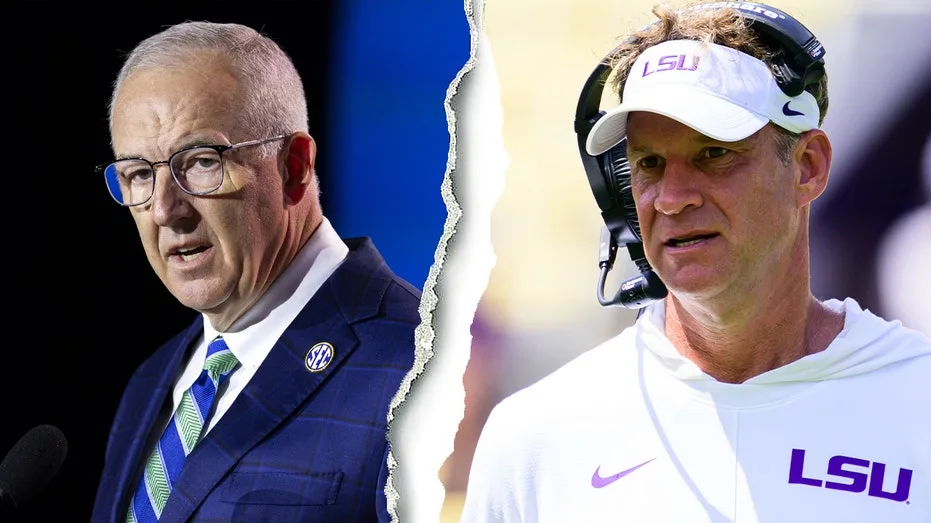
A significant portion of the hearing involved the testimony of SEC Commissioner Greg Sankey, who remained on the stand for more than three hours. Plaintiff attorneys subjected him to a barrage of questions, particularly regarding the conference's policy of allowing professional athletes who have competed overseas to be granted eligibility for more than five seasons, in contrast to the current plaintiffs who turned professional under previous guidelines that subsequently rendered them ineligible for college play.
Just three minutes after Commissioner Sankey began his testimony, the SEC filed a federal lawsuit in Alabama. This suit named LSU and Coach Kiffin, alleging that they had orchestrated the recruitment of several athletes who would then proceed to sue the conference in a Louisiana court.
This development sent ripples of surprise through the courtroom. Plaintiff attorney Tony Clayton repeatedly inquired whether the SEC had indeed filed a lawsuit that morning in Alabama. The situation unfolded in real time, as attorneys for the plaintiffs checked their mobile devices after receiving notifications confirming the SEC's federal court filing.
Whether viewed as a strategic maneuver or an attempt by the SEC to divert attention from the proceedings in Baton Rouge, this incident marked one of the more unusual occurrences observed during these eligibility-related legal battles.
The subsequent three hours of the hearing combined elements of legal drama with the plaintiffs' efforts to demonstrate that the SEC had colluded to introduce new guidelines for former professional athletes returning to college. This alleged collaboration, according to the plaintiffs, occurred in the days immediately following the initial court order issued in this same court.
This particular aspect of the case, concerning the timing and intent behind the SEC's new guidelines, was a point that Judge William Jorden found particularly problematic.