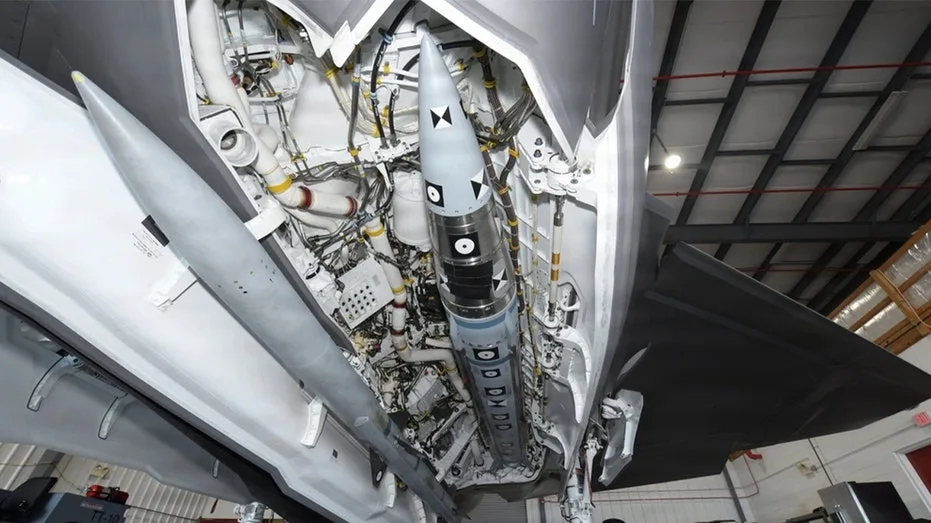
The United States Navy is progressing with the development of an innovative, extended-range missile system intended to intercept hostile aircraft well before they pose a threat to U.S. fighter jets or naval carriers. This advanced weapon, officially designated the AIM-424 LRAAM and known by its nickname "MALICE," was unveiled by the naval department on August 22.
Its primary function is to be launched from an aerial platform, engaging adversary aircraft or unmanned aerial vehicles (UAVs) across vast distances. Operationally, U.S. aviators will gain the capability to detect targets via radar, deploy the missile from considerable distances, and neutralize threats without needing to approach the enemy closely, thereby enhancing pilot safety and survivability.
Strategic Advantages of Long-Range Engagement
The Navy emphasized that the LRAAM "sustains the Department's first look, first shot, first kill advantage by providing our aviators greater reach, greater survivability, and greater tactical flexibility in the air-to-air fight." Officials further noted that this missile is engineered to boost the "range, lethality, and combat effectiveness for Marine and Naval aviation forces."
The missile boasts a stated range "in excess" of 250 nautical miles, which translates to approximately 287 statute miles. This represents an exceptionally long reach for an air-to-air weapon, enabling aircraft to safeguard an entire naval fleet from far beyond the horizon.
Technical Specifications and Operational Impact
Measuring 13.5 feet in length and weighing 1,500 pounds, the MALICE missile is substantially larger and heavier than typical medium-range air-to-air counterparts. For context, the AIM-120 AMRAAM weighs around 335 pounds, highlighting the robust propulsion system required to achieve the LRAAM's extended operational distances.
Additionally, the missile features a blast-fragmentation warhead. This design means a direct physical impact is not always required for neutralization; instead, it detonates in proximity to the target, unleashing fragments to destroy or incapacitate the enemy aircraft.
According to officials, the missile is engineered for broad compatibility, capable of integration with current fourth and fifth-generation fighter jets, as well as anticipated future sixth-generation aircraft. Development of the LRAAM is underway by Raytheon, a prominent defense contractor for the U.S. military.